Precision Engineering for Harsh Coastlines
Building trust through data integrity. We don't just collect information. We keep a continuous record across the ocean's edge.
The Stumpyxo Sensor Grid
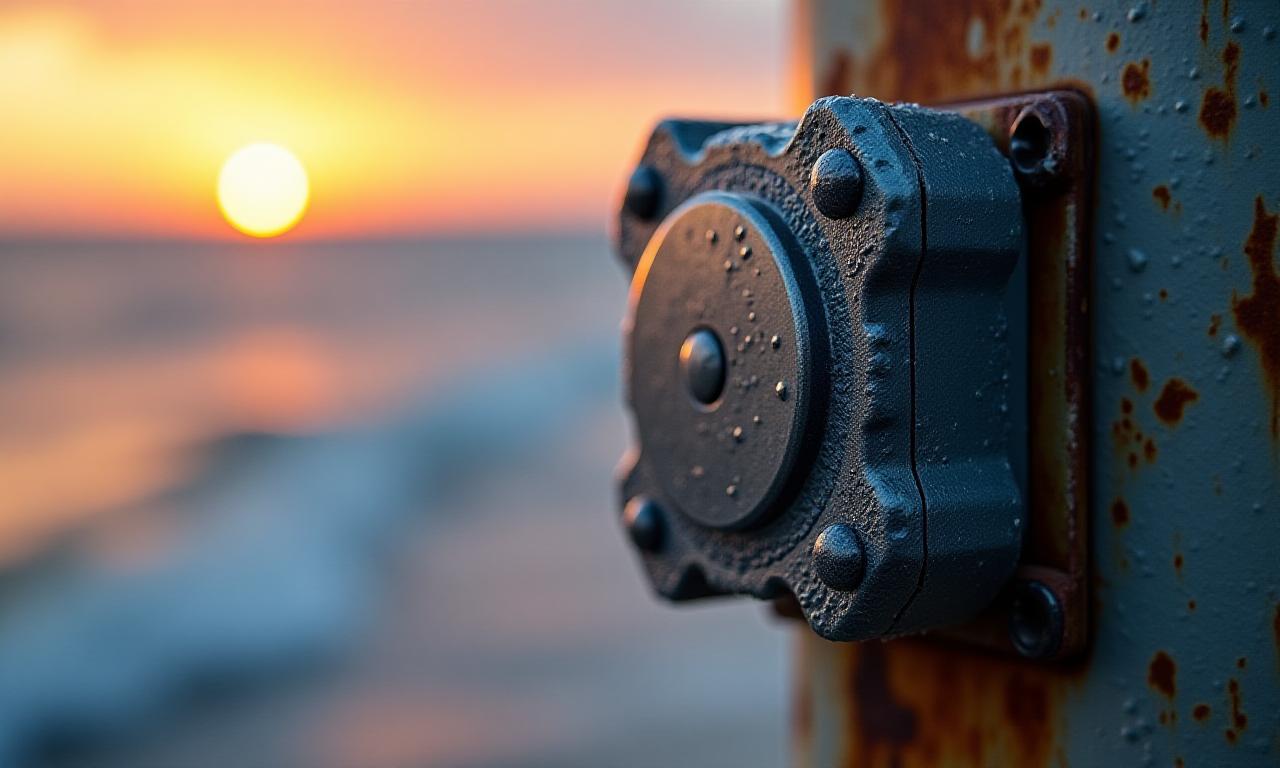
How do we keep nodes online in corrosive coastal air? It starts with a stack built for reliability first, then for features.
Triple-Layer Connectivity
Nodes can use LoRaWAN for battery efficiency, cellular for higher-bandwidth telemetry, and satellite failover for remote headlands where a mobile signal drops out.
Encrypted Integrity
Readings are protected in transit. AES-256 encryption is applied from the node to the dashboard so telemetry is not altered on the way.
Long Deployment Life
Maintenance is expensive at the waterline. Units combine low-power sleep cycles with energy harvesting so a deployment can run for years without a routine battery swap.
Edge Intelligence
Sensors evaluate tide and swell patterns on the device and can raise a local alert before the same reading is reviewed in the office.
Visualizing the Invisible
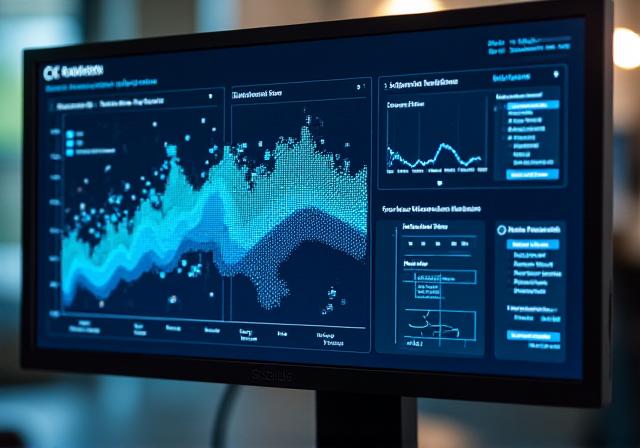
The dashboard turns sensor streams into decisions. It is a working view of coastal conditions, not a static map.
-
Dynamic Thresholds: Alert triggers for storm surge, set against the sea-level baseline for that site.
-
API First: Pipe environmental readings into an existing GIS or operations system through documented endpoints.